





The Muse

The Muse

Something beautiful, something to eat, someone to talk to.

A cocktail bar at 12th & Walnut, Over-the-Rhine, Cincinnati.

Not open yet, but close enough to start counting. Opening date to be announced.

The bar opens first A delicatessen follows Twenty-eight rooms are planned upstairs
Woodcut drawing of the Walnut Street front of the Germania Building, which becomes a photograph of the same facade as the page scrolls
The Germania Building · Walnut Street · 1877 As drawnAs she stands
scroll
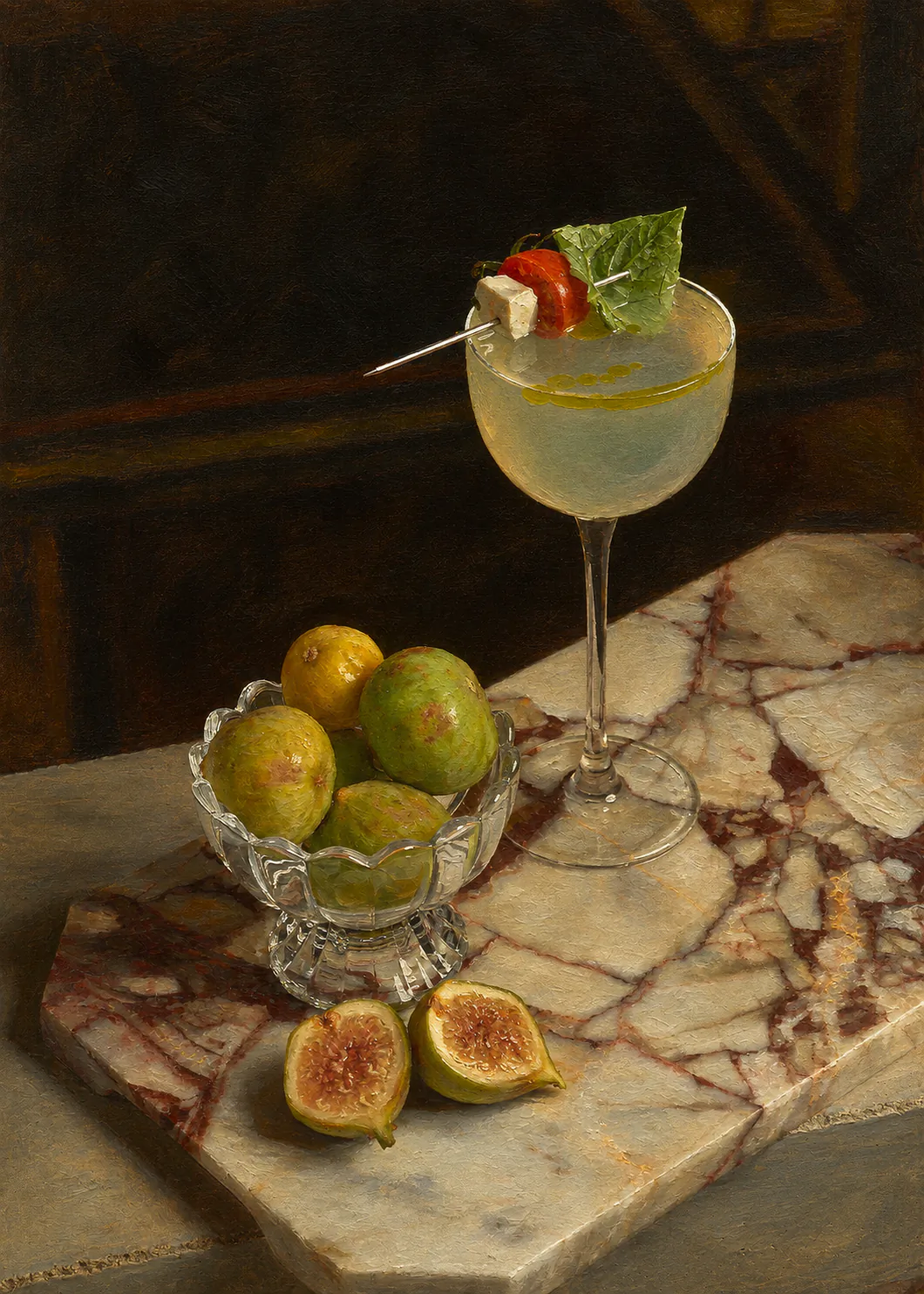
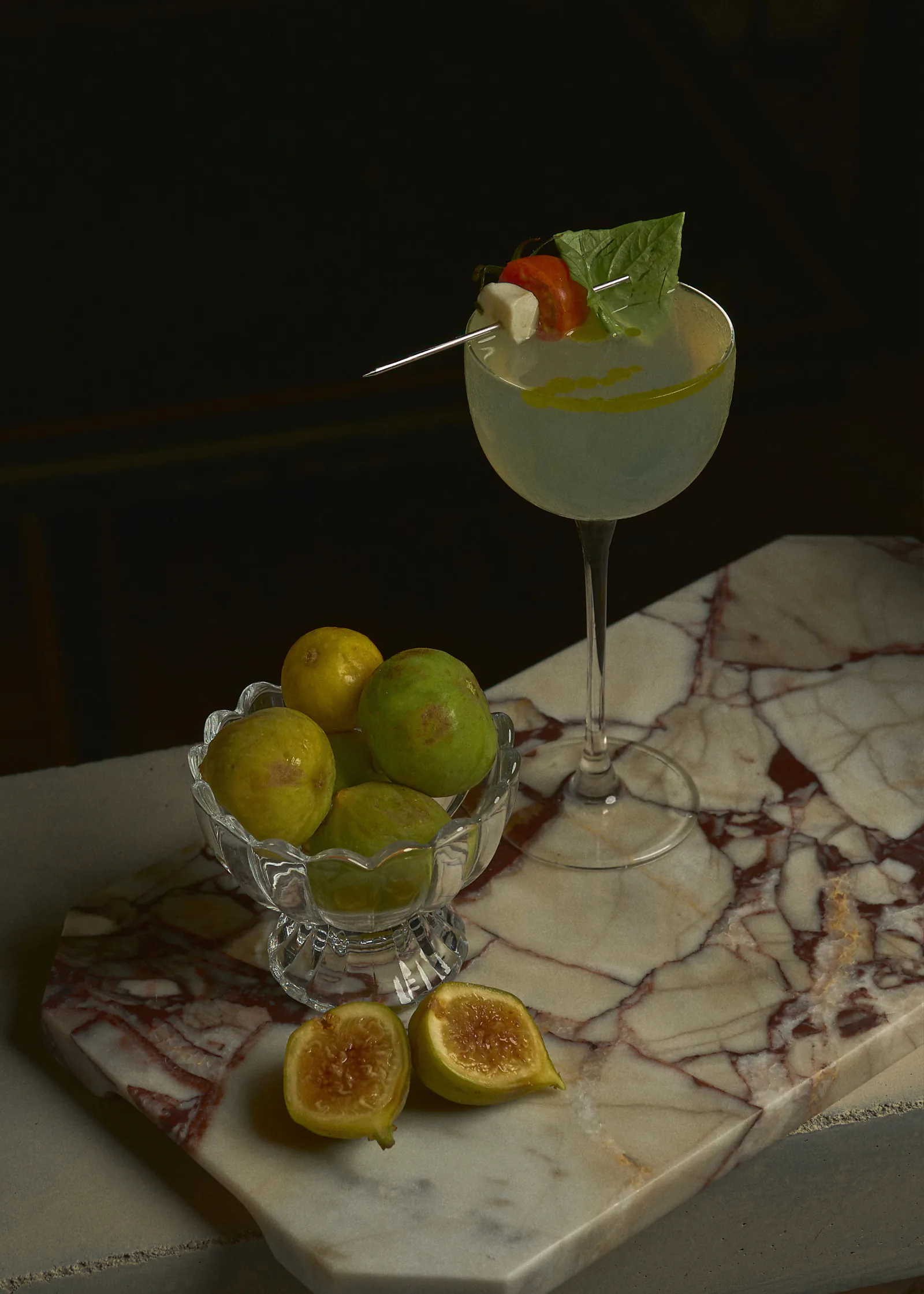
The same still life as an oil painting A pale cocktail in a coupe with a skewer of cheese, tomato and mint, beside a glass bowl of figs on veined marble
As paintedAs poured Still life, September 2026
Glass · from the bar

Classics, made the way they’re supposed to be.

Plus a few we couldn’t help updating.

The list begins with the classics, made properly, and goes on to house cocktails that borrow from Spain, Italy and Germany. Infusions are among the techniques behind the bar.

The opening list arrives with the doors.

the table ↓
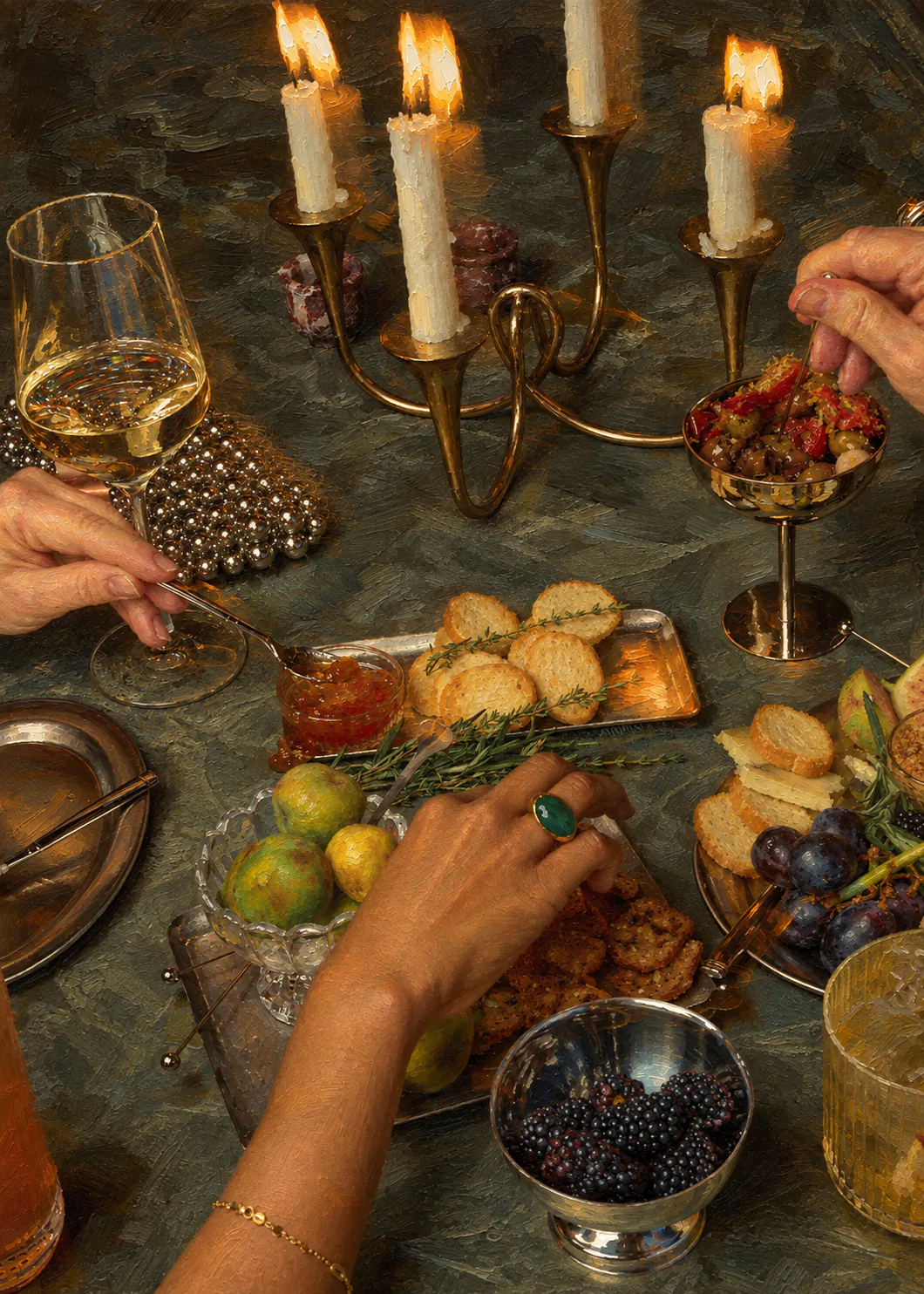
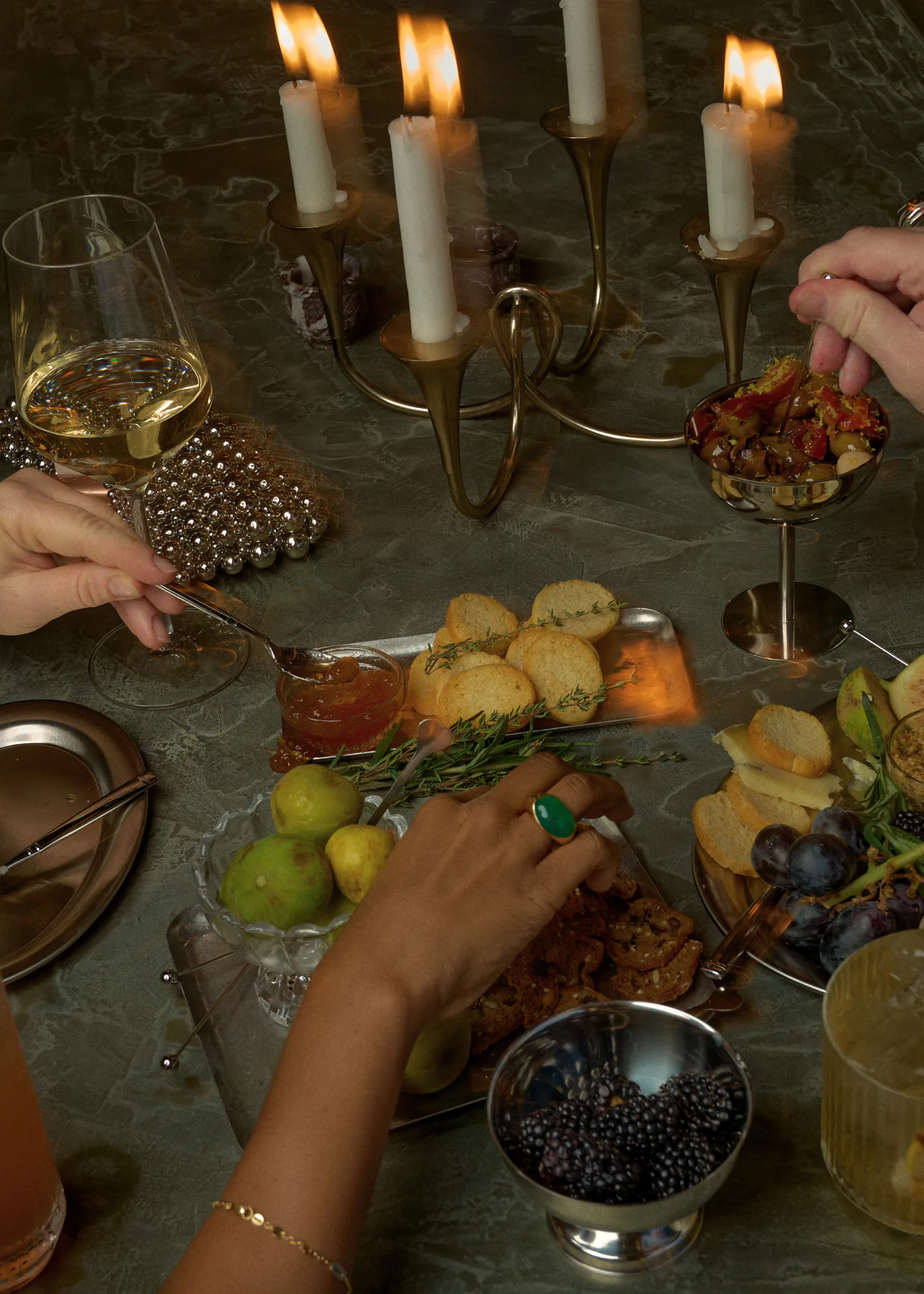
The same table as an oil painting Hands reach across a candlelit table set with olives, crackers, blackberries, figs and a glass of white wine
As paintedAs served Shared table, September 2026
Table · from the kitchen

Small things, eaten standing up.

Food for one hand, so the other can stay on your glass.

A short selection of refined finger food, made for a communal table and meant to grow. Spain, Italy and Germany are the starting points here too.

A delicatessen next door follows the bar, with more for the table and more for the bar.

look up ↓
Above the bar · Alex Frank

Figures dissolve
into the clouds.

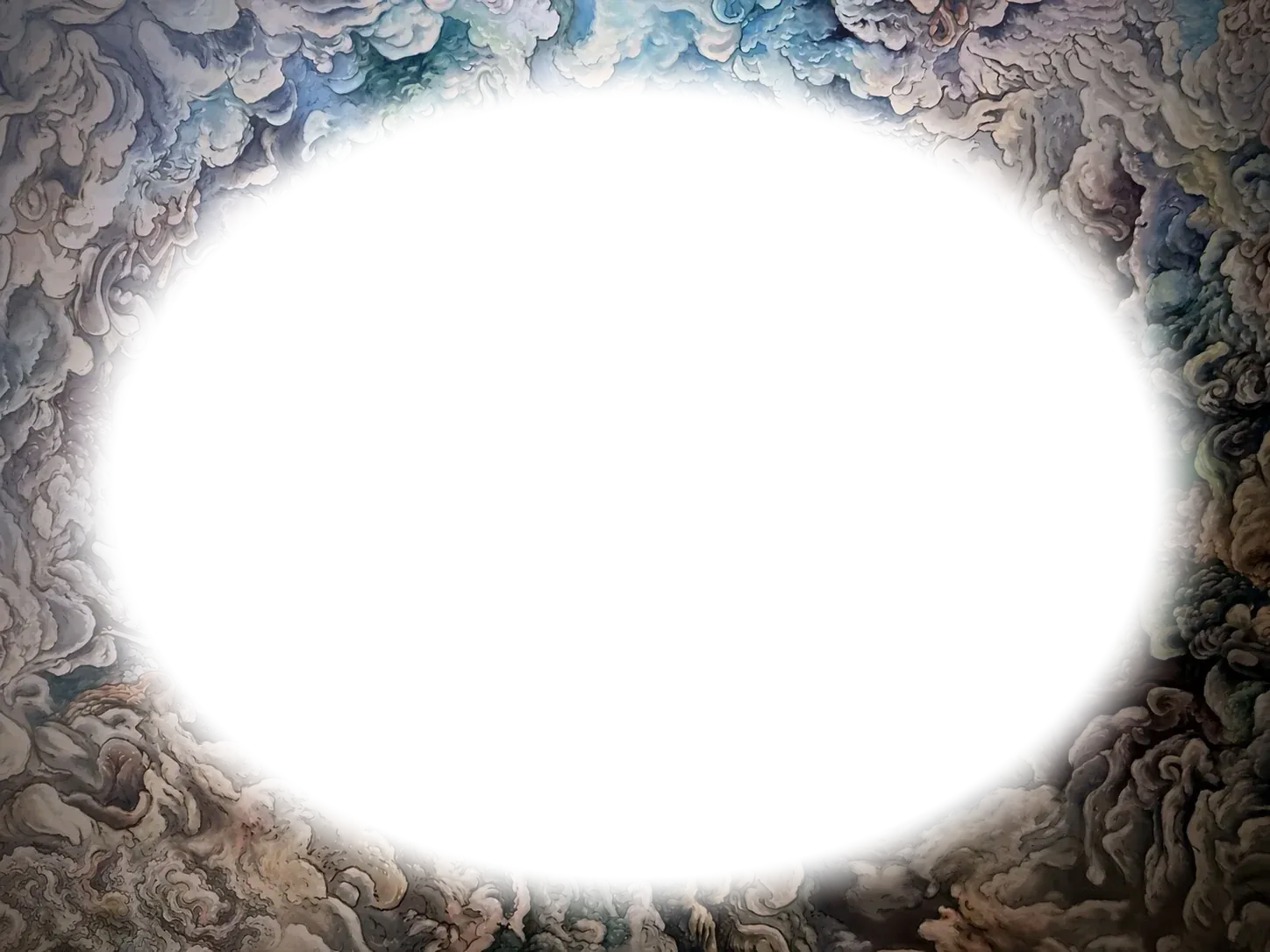
A ceiling fresco by Alex Frank.

Alex Frank spent nearly a year painting the fresco in place. Clouds cover the ceiling, with figures dissolving into them above the bar.

Painted in place · Alex Frank
how the room came together ↓
Walnut Street · making the room

Born from a love of one building. Then shaped by many hands.

Behind decades of drywall were tall windows and sixteen-foot ceilings. Taking the later additions out brought the daylight back into the room.

We designed and built the interior for this room, from the crown moulding to the parquet floor. The work took about four years, with a pause of nearly two along the way.

People spent a great deal of time making this place. You’re welcome to take yours.

In the room
  • Crown moulding drawn to suit the height of the ceilings.
  • Layers of broken sculpture, partly exposed in cast concrete.
  • A slab of granite broke on the way in. The back bar is built from the pieces.
  • Tall windows, hung low enough to look out of from your seat.
By hand
Alex Frank
the ceiling fresco, painted in place over nearly a year
Johann Bast
the facade, 1877, with ironwork by Schreiber & Sons
Us
everything else, designed and built for this room
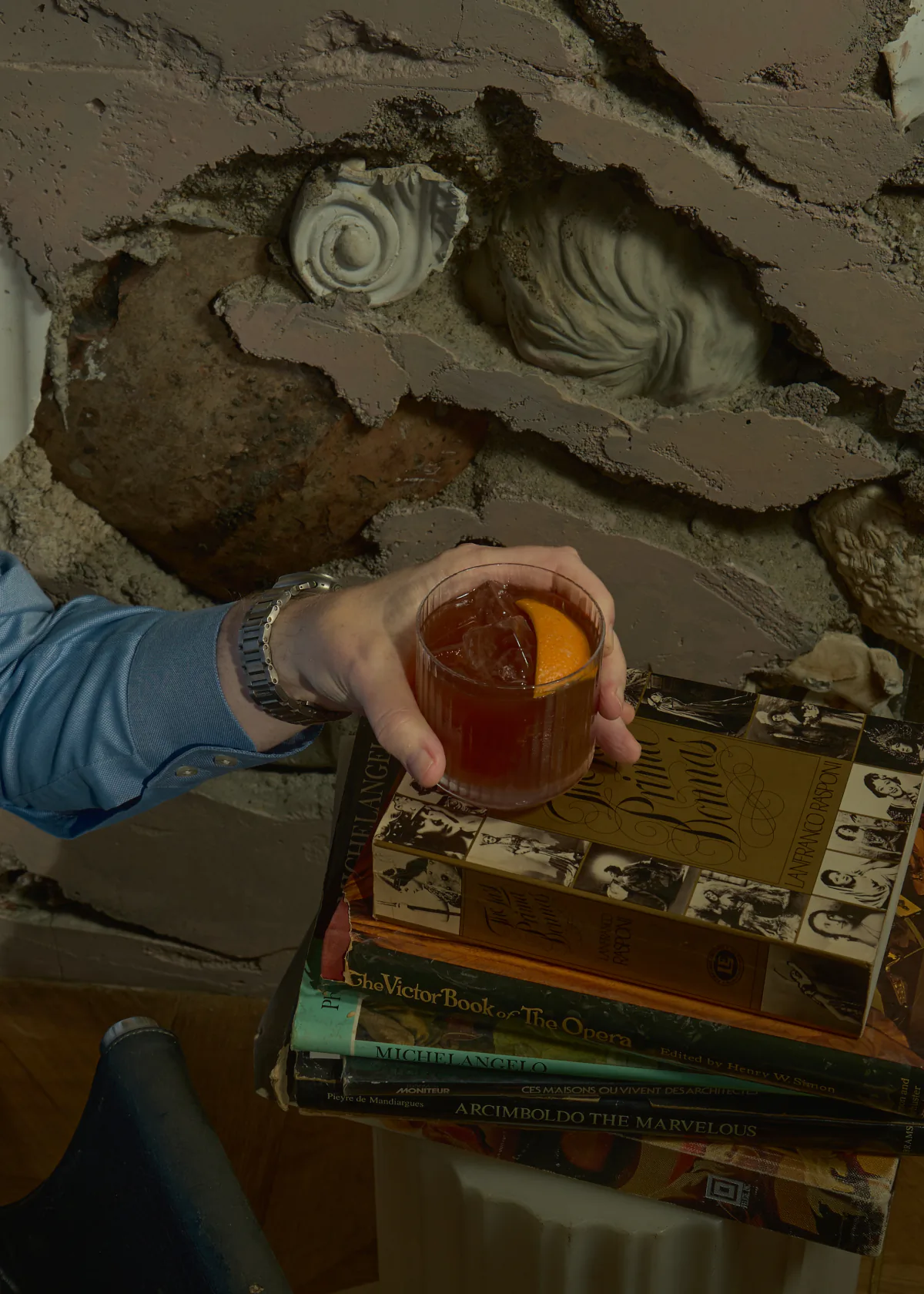
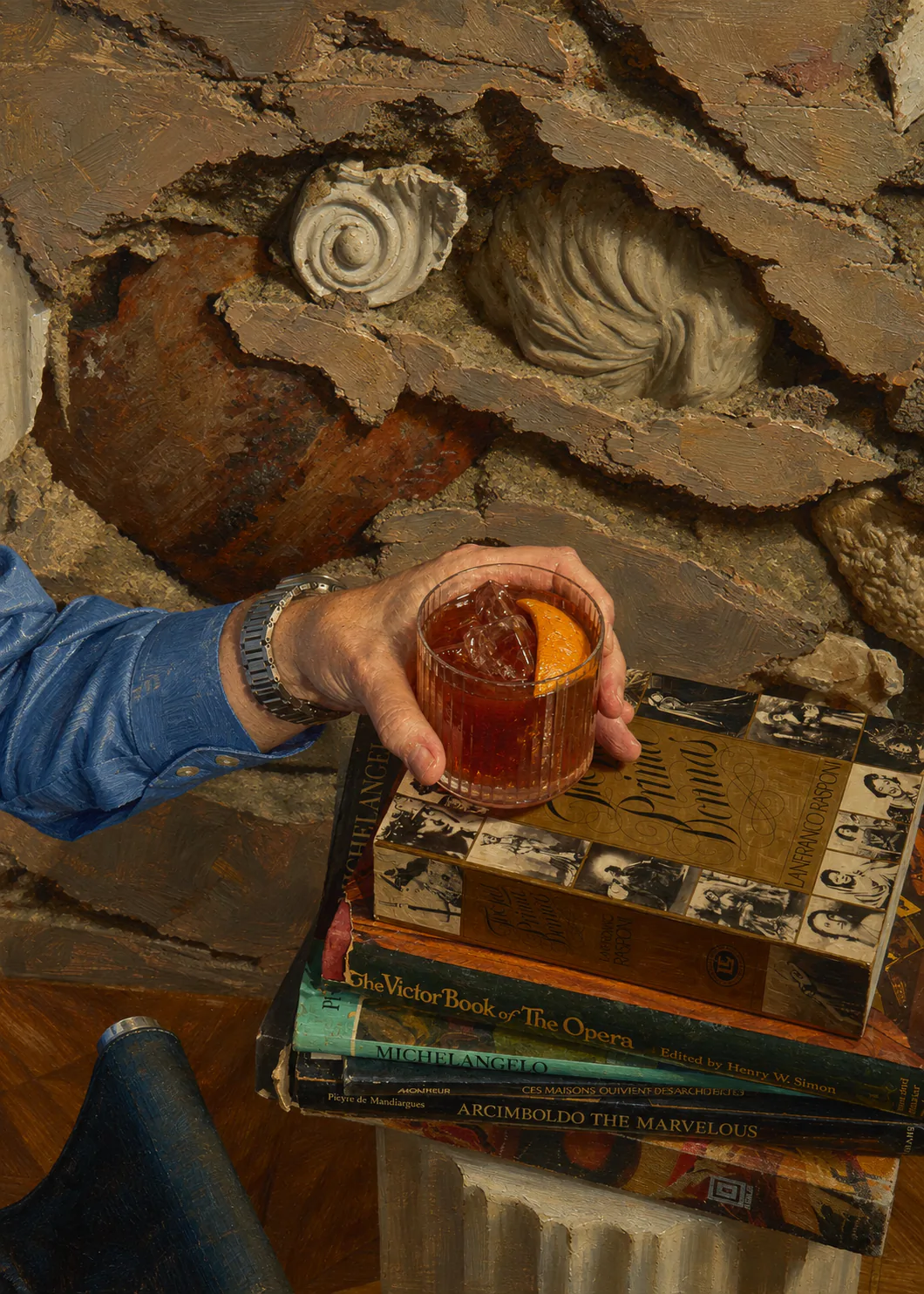
A hand rests a negroni on a stack of art books in front of a wall of cast concrete with carved stone fragments set into it
As it isAs painted Broken sculpture, cast into the wall. Books, and a drink.
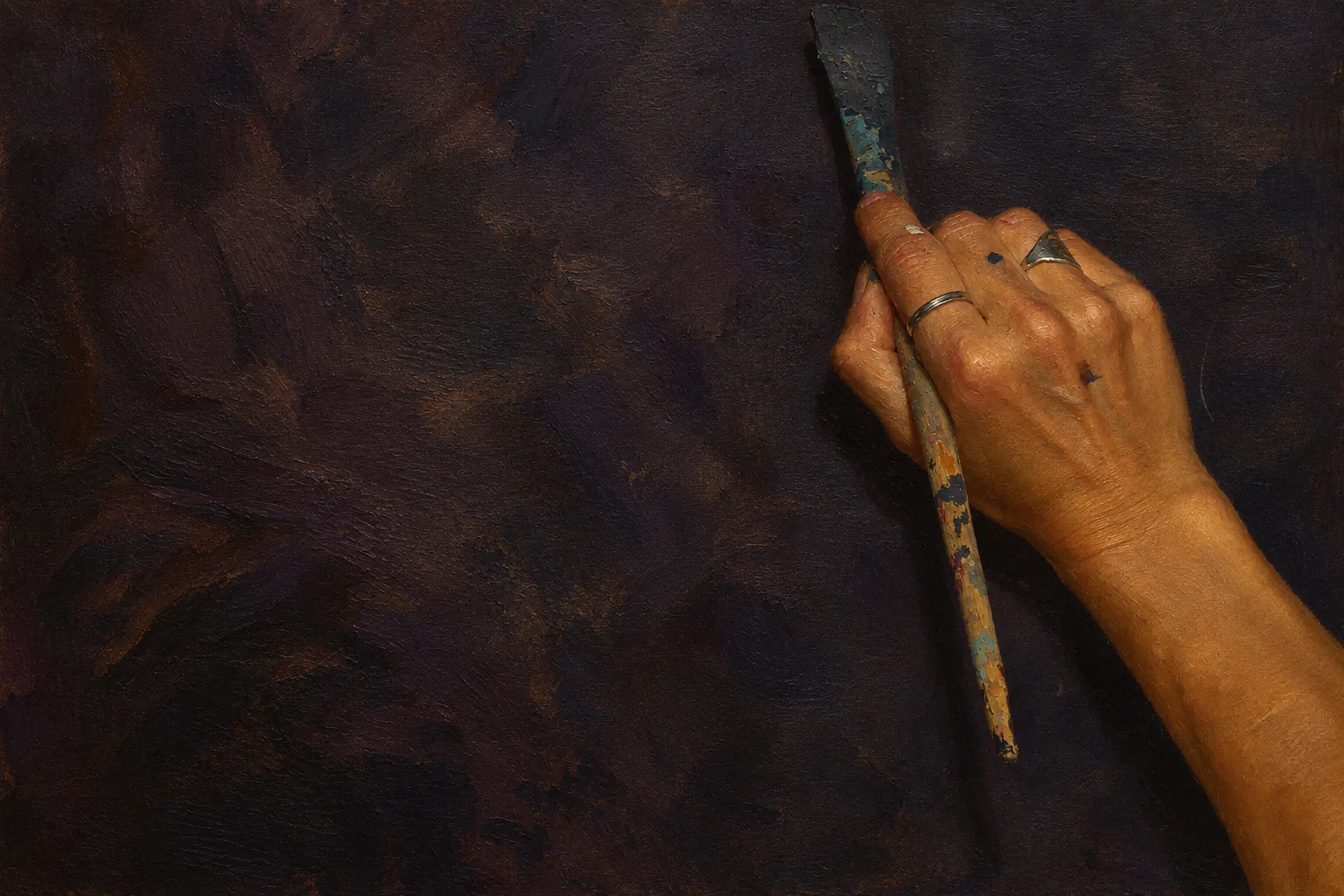
The same hand as an oil painting
Work in progress, September 2026
The elevation · Walnut Street

The building
came apart.

She did not.

Johann Bast designed the Renaissance Revival facade; Schreiber and Sons made the cast-iron storefront and cornice. Above the door, Germania has remained through changes to her name, her appearance and the life of the building.

the full story ↓
The full story · 1858 to now

The Germania
Building.

Built in 1877 for the German Mutual Fire Insurance Company, the Germania carries the work of its architect and ironworkers, and traces of the city’s German history.
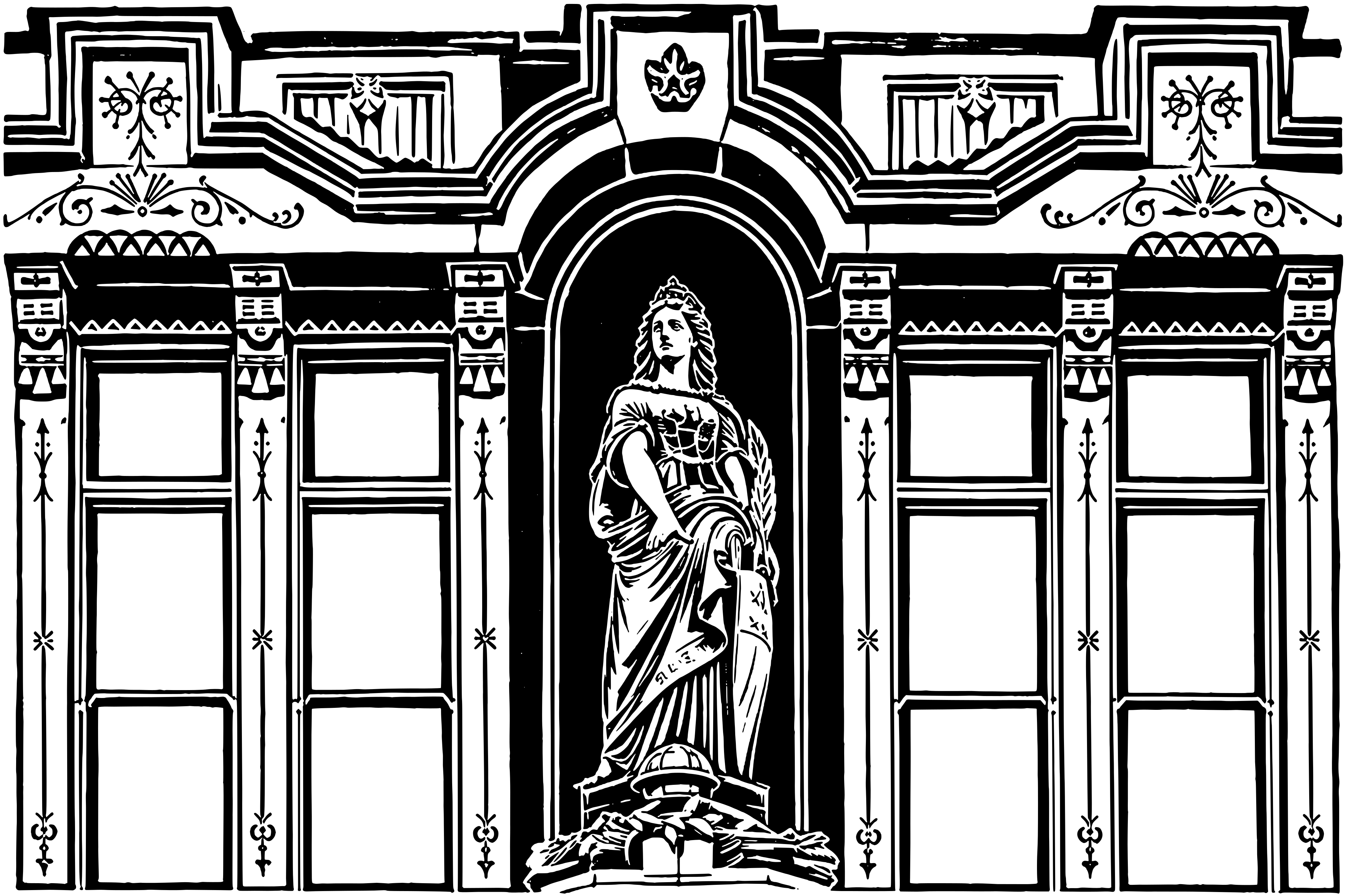
Woodcut illustration of the Germania Building at 12th & Walnut, Over-the-Rhine
The Germania Building · 1127–1129 Walnut St · corner of 12th & Walnut, Over-the-Rhine
1858

The company begins

Henry Ratterman founded the German Mutual Fire Insurance Company after repeated fires left his German neighbours with unpaid claims from insurers that had gone bankrupt. He had arrived from Ankum at fourteen and worked in a lumber yard.

1877

A home at 12th & Walnut

The company built the Germania, designed by Johann Bast in the Renaissance Revival style, with a cast-iron storefront and cornice by Schreiber and Sons. Germania took her place above Walnut Street; a carving of Apollo driving four horses sits over the 12th Street entrance.

1917

A name concealed

When America entered the First World War the German name in the cornice was boarded over and Germania was covered with a black sheet. Within a few years she had been reworked as Columbia, with an eagle on her breastplate, flags on her shield and E Pluribus Unum carved into her gown.

1957

A familiar emblem

By 1957 the company was known as Hamilton Mutual, and Apollo and his horses still appeared in its newspaper advertising. Sputnik went up the same year. A coincidence we have made a great deal of.

2020→

The next life

We acquired the building in 2020. The bar opens first, followed by a delicatessen and, later, twenty-eight hotel rooms.

Building history drawn from Germania Building: History, Common Bond Consulting LLC, 2020. Illustration after the 1877 facade.

1877

The sky over 12th & Walnut.

Brass inlaid in the parquet records the sky over this corner at midnight on 1 January 1877, the year the building was completed. Her exact opening date is unknown; we chose the first night of the year.

the collection ↓
The collection · pictures with other plans

Room to daydream.

A series of allegories made for The Muse, in which the old world keeps meeting the new one. Each is shown whole. Take your time; that’s rather the point.

The Muse allegories, 2026

A muse on a gold ground presents a small satellite as her attribute while two donor figures kneel, painted like an early Florentine panel
The Muse of the First Satellite A muse on a gold ground, with a new attribute.
Two women meet beside transparent modern chairs on an old garden terrace, painted like a Venetian pastoral
The Garden of Transparent Chairs An invitation, open and a little uncertain.
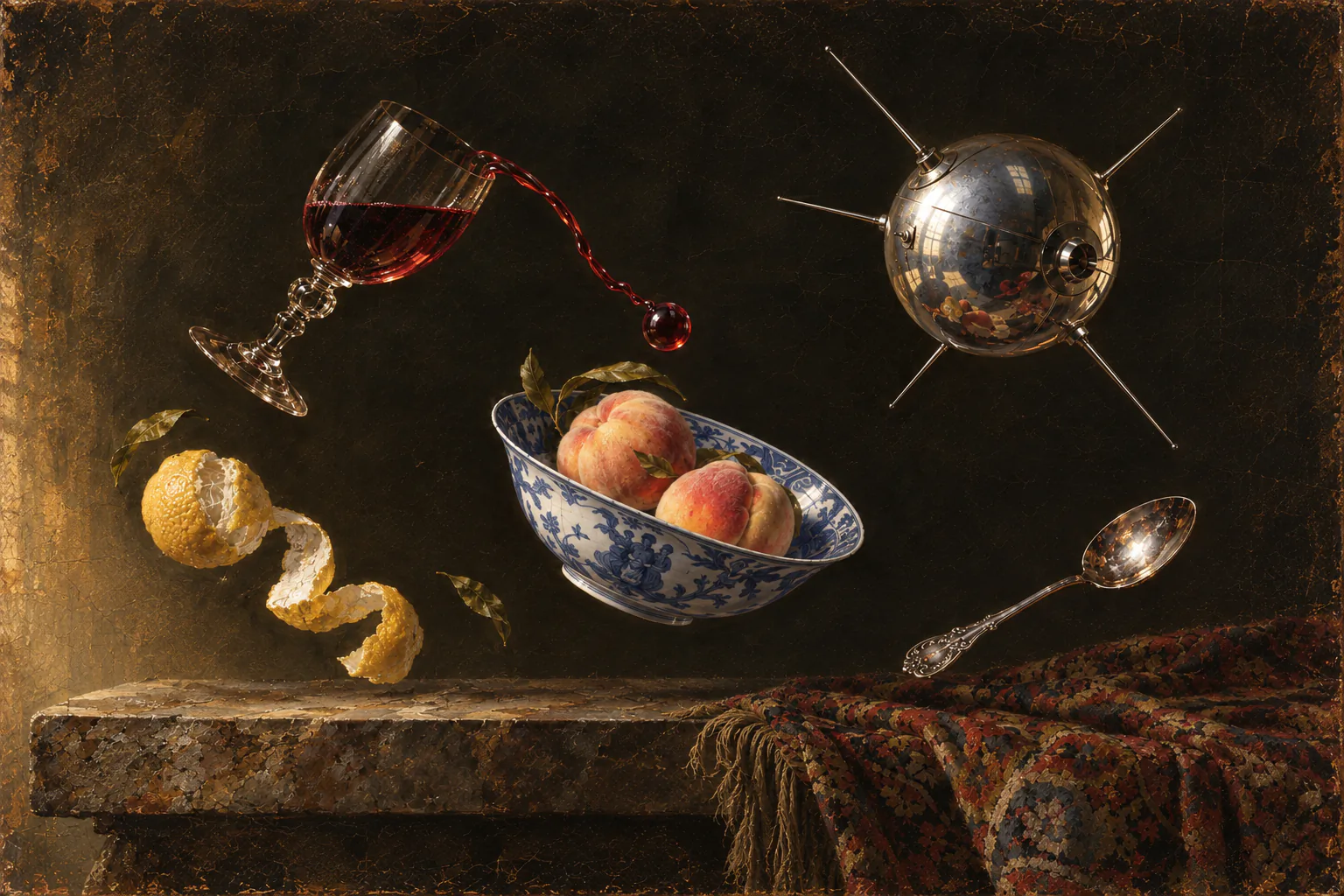
A Dutch still life of fruit, glass and silver in which the objects have begun to float
The Weight of Plenty Abundance, once the rules that hold it change.
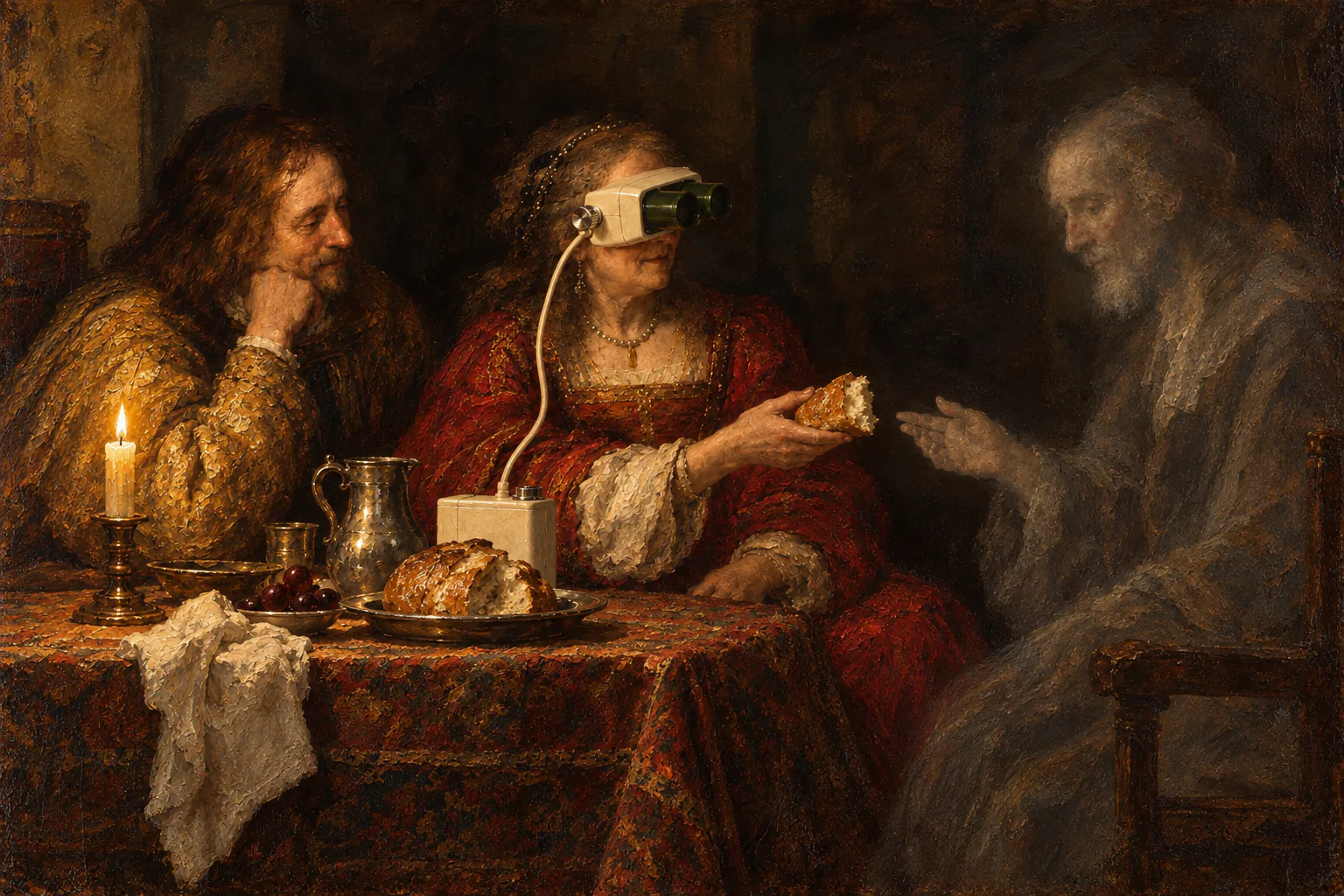
A woman at a candlelit table keeps a place set for a guest nobody else can see, painted in heavy gold and living darks
The Guest Only She Can See A place at the table keeps a friendship alive.
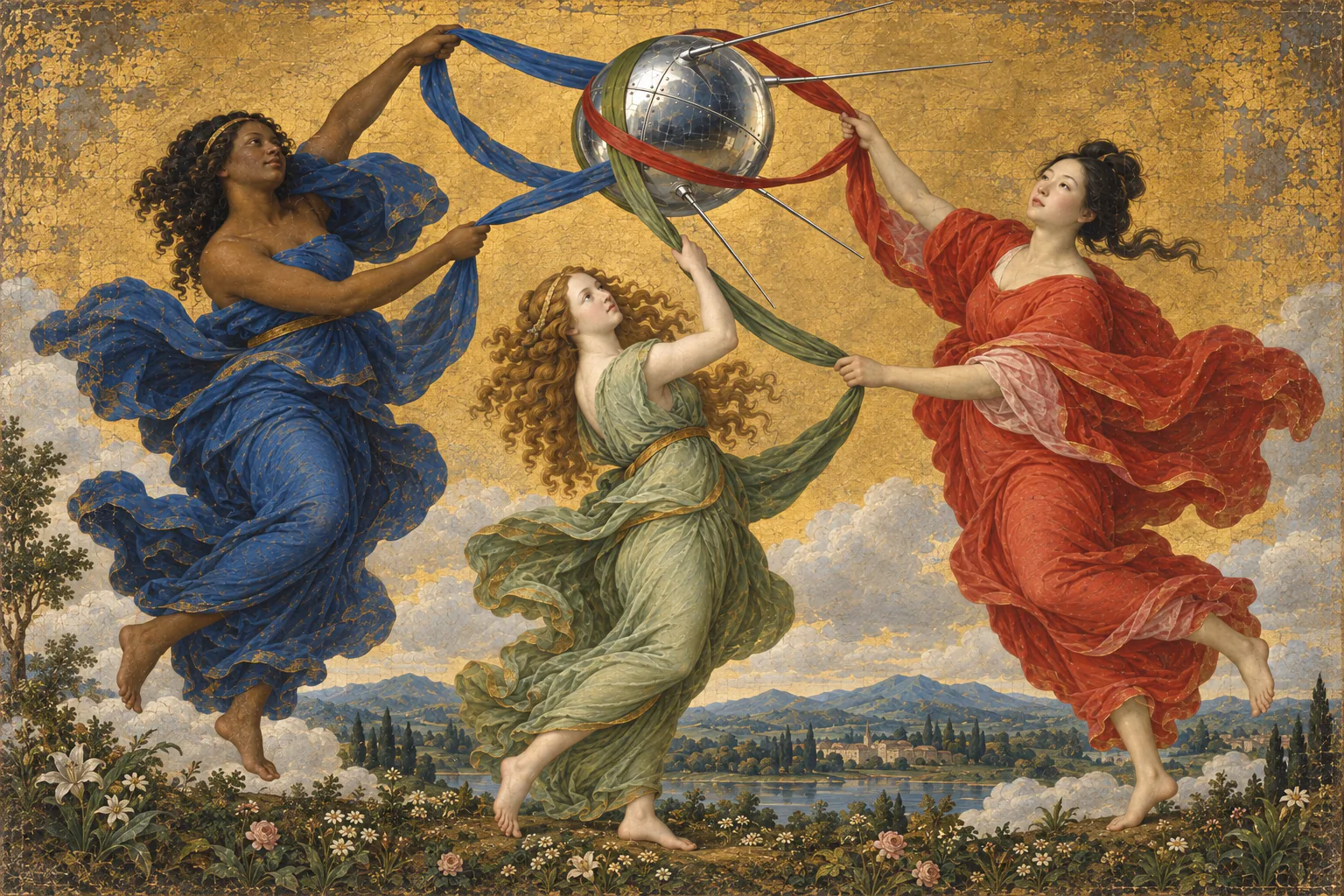
Three women in a Florentine frieze turn a mechanism of ribbons and spheres that moves the sky
The Women Who Turn the Heavens The new heavens still depend on human hands.
Villagers skate on a frozen canal around a polished flying saucer, painted like a Dutch winter landscape
Winter Around the Saucer Even the unfamiliar becomes part of the village’s games.
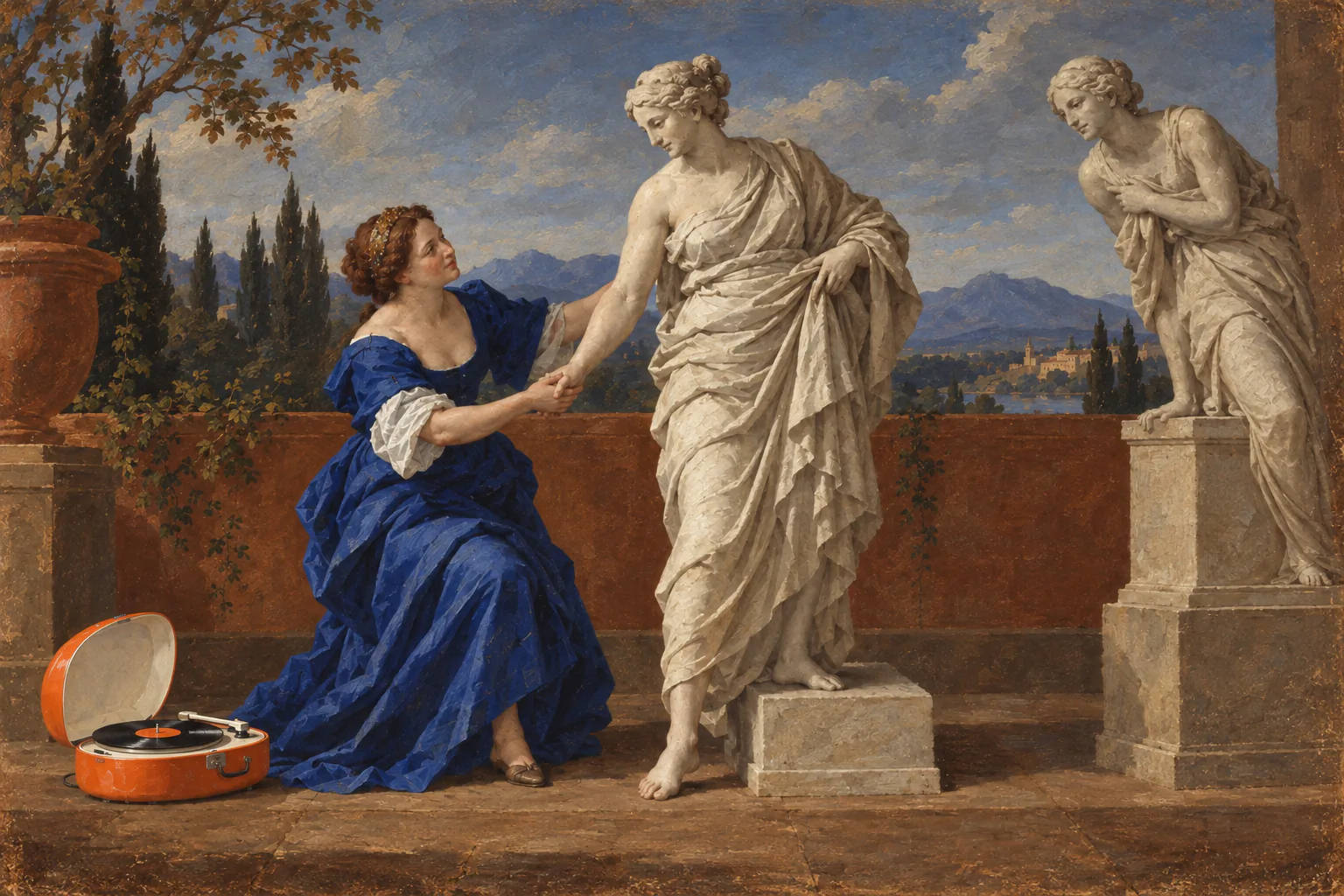
Classical statues climb down from their pedestals to join the people admiring them, painted in lucid stone and warm flesh
The Statues Step Down Admiration becomes an invitation instead of a pedestal.
A woman floats above a blue night landscape reaching toward a small satellite, painted like a Romantic nocturne
The Muse and Sputnik: Blue Nocturne The emblem, after dark.

come and find us ↓
Now hiring

The bar comes first, and so do the people who open it.

Join the opening team
12th & Walnut · Over-the-Rhine

An ordinary evening is a
fine reason to dress up.

In order The bar opens firstA delicatessen followsTwenty-eight rooms are planned upstairs
Where
1127 Walnut St, Cincinnati OH 45202
At the corner of 12th & Walnut, Over-the-Rhine. Open in Google Maps
Hours
Hours will be announced with the opening date.
Opening
We’ll share the opening date here, and by email, the moment it is set.

The bar opens first. The delicatessen and the rooms come later.